The Kyoto National Museum opened in 1897 as the Imperial Household Museum, charged with preserving the cultural heritage of Japan's ancient capital. Situated in the Higashiyama district, surrounded by Kyoto's great Buddhist temples and Shinto shrines, it holds one of the world's most important collections of Buddhist art, ancient ceramics, calligraphy and decorative arts.
The museum's grounds include two major buildings from different eras, creating a fascinating dialogue between Meiji splendour and 21st-century clarity. The original Meiji Kotokan, a red brick Baroque building, stands as a National Important Cultural Property; beside it, the Heisei Chishinkan wing by architect Yoshio Taniguchi (also designer of New York's MoMA) opened in 2014.
The original museum building designed by Katayama Tokuma in French Baroque style. Today it hosts special exhibitions and cultural events, its ornate interiors creating a uniquely atmospheric backdrop for ancient Japanese art.
The serene, light-filled permanent gallery designed by the architect of New York's MoMA expansion. Housing the permanent collection across themed galleries in a space that perfectly complements the ancient works within.
Buddhist Art: The museum holds some of Japan's finest examples of Buddhist sculpture, painting and ritual objects, many entrusted from Kyoto's great temples. The collection spans the Asuka period through the Kamakura era, documenting 600 years of Buddhist artistic evolution.
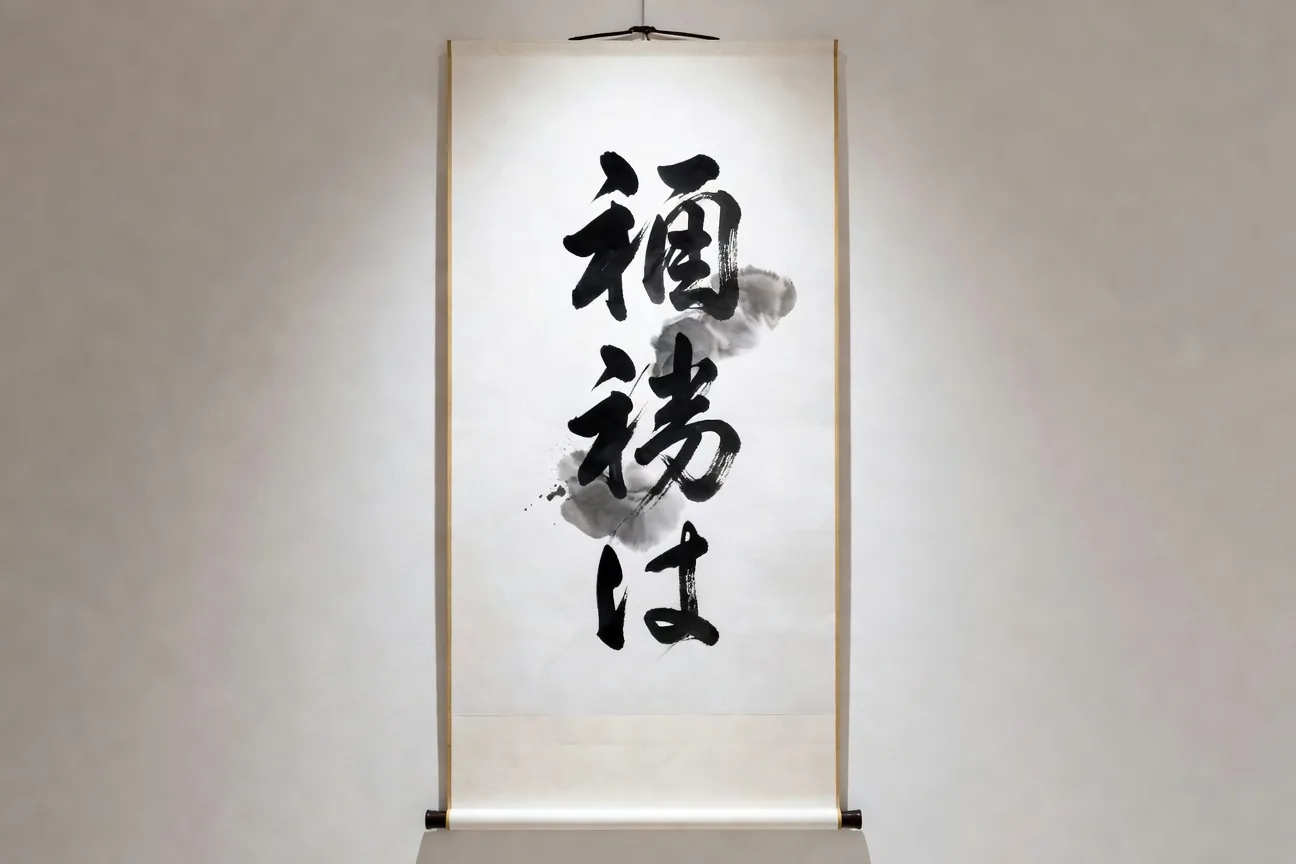
Calligraphy: The collection of kana and kanji calligraphy is among the most important in Japan, including examples attributed to the three great masters — Ono no Tofu, Fujiwara no Sari and Fujiwara no Yukari. These works define the standard of classical Japanese writing.
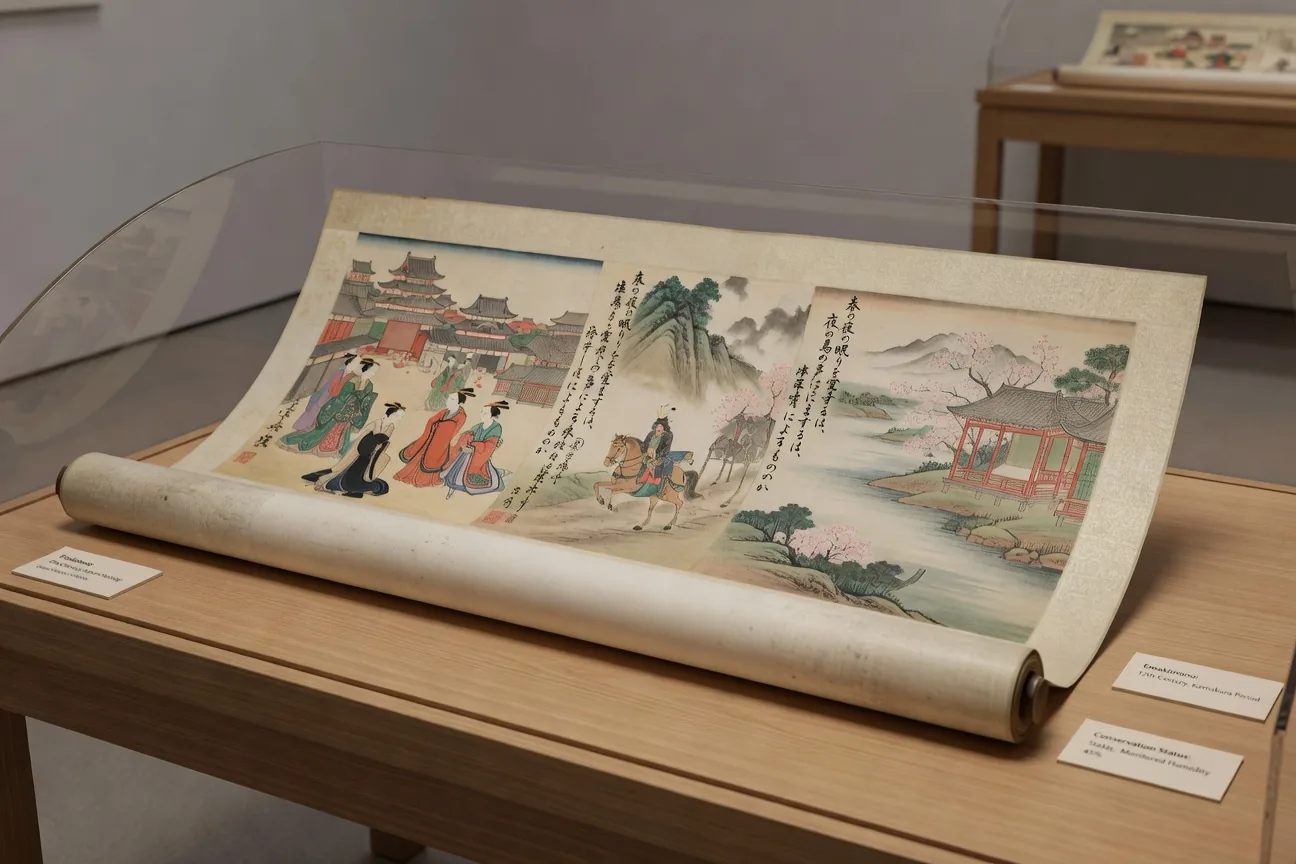
Emakimono (Illustrated Scrolls): The museum's collection of handscroll narratives — combining text and image in continuous horizontal compositions — represents one of the world's great traditions of sequential visual storytelling, predating the Western graphic novel by 800 years.
Ancient Ceramics: From the sue ware of the Kofun period to the refined porcelains of the Edo period, the ceramics collection traces the full arc of Japan's extraordinary pottery traditions.
Sculpture, painting & ritual objects from Kyoto's temples
Ancient kana scrolls by Japan's greatest masters
Illustrated narrative handscrolls — 800 years of storytelling
527 Chayamachi, Higashiyama Ward, Kyoto 605-0931
7-min walk from Shichijo Station (Keihan Line)
Bus stop: Hakubutsukan-Sanjusangendo-mae