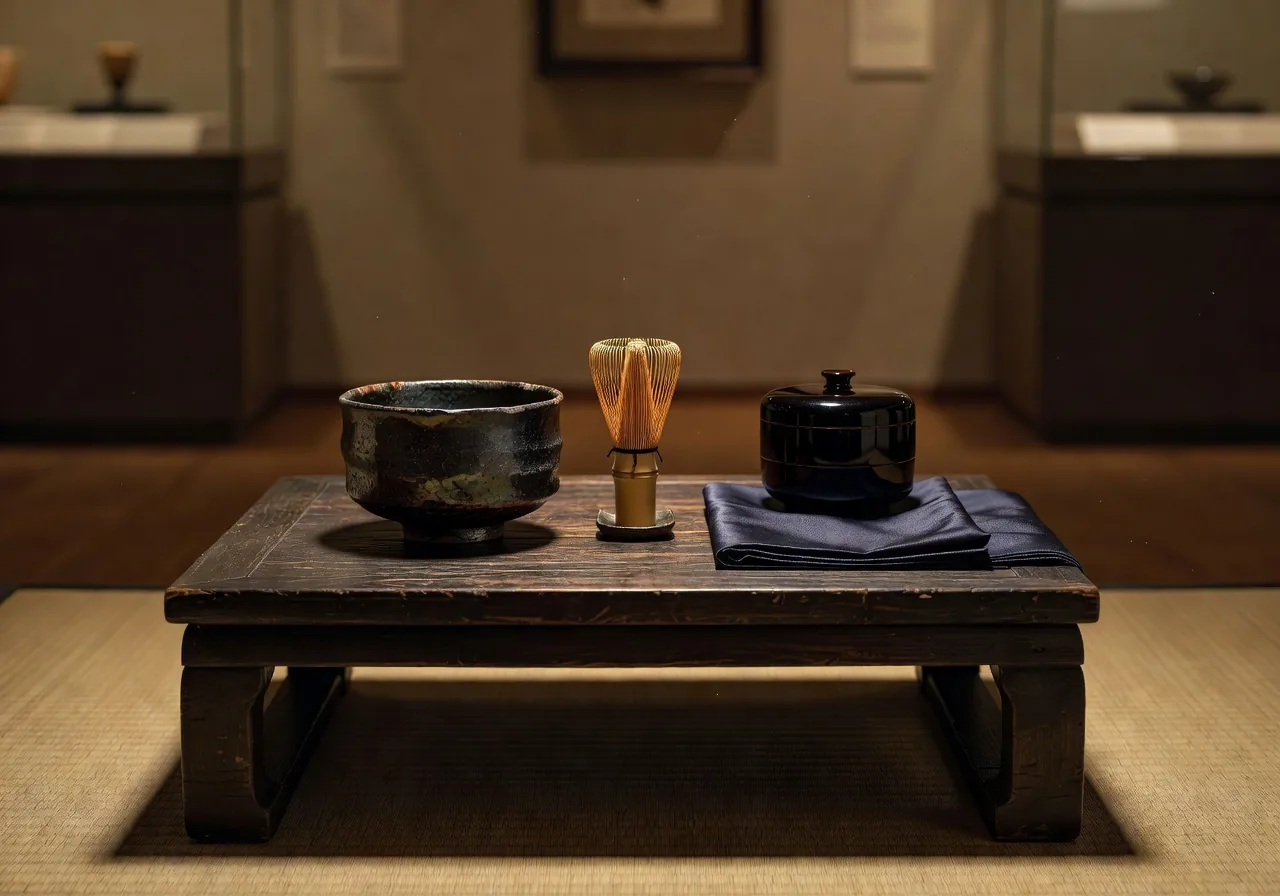
Everything you need to plan the perfect museum journey across Japan

Japan's museums are among the best managed in the world — efficient, well-signed (increasingly in English), and deeply respectful of their collections and visitors. A few key preparations will ensure you get the very most from your cultural itinerary.
Most major museums are closed on Mondays (or the following Tuesday if Monday falls on a public holiday). Opening hours typically run 9:30–17:00, with extended hours on Fridays at some institutions. The key national museums — Tokyo, Kyoto, Nara, Kyushu — follow similar schedules.
Advance online booking for major special exhibitions is strongly recommended, particularly during the spring (Golden Week, late April–early May) and autumn (mid-October to mid-November) peak seasons when queues can be substantial.
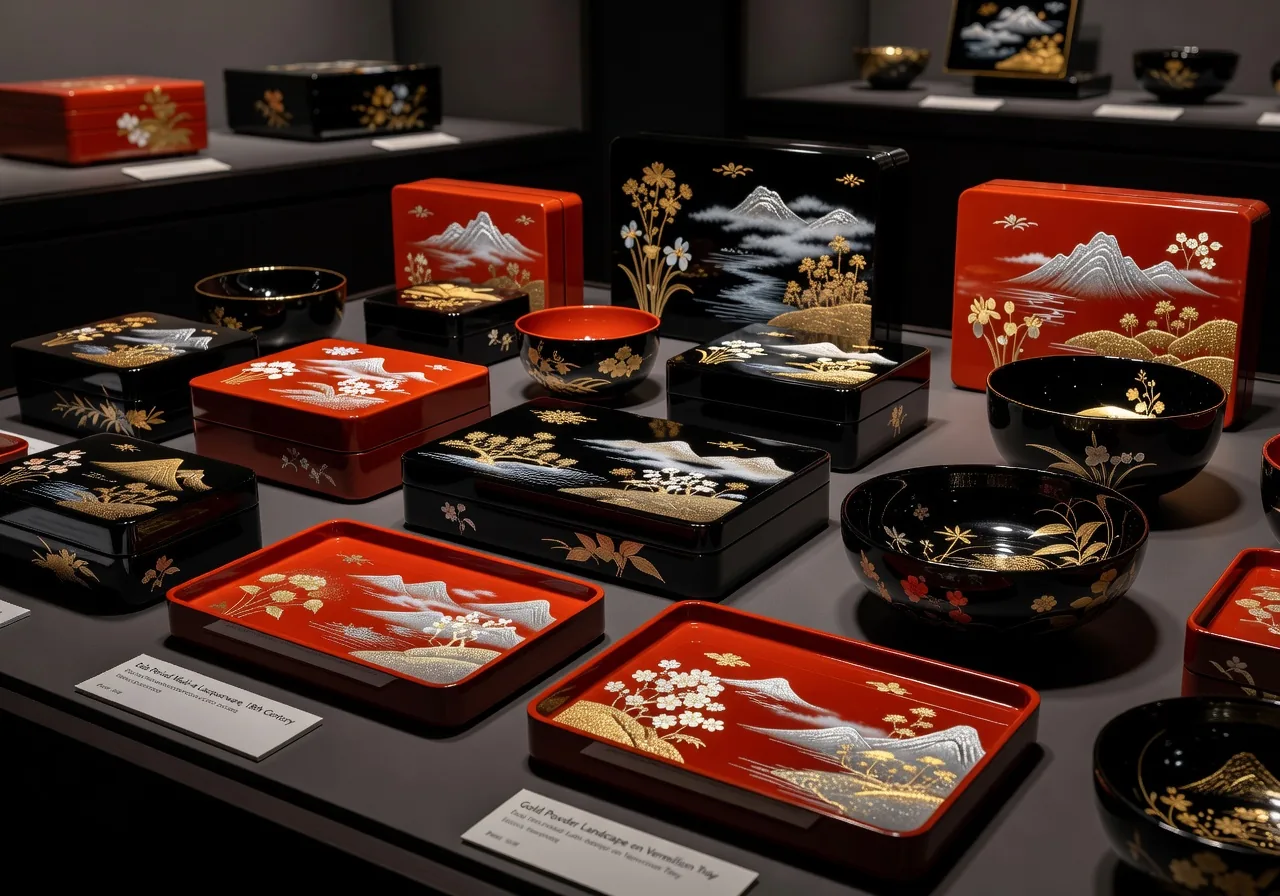
A few customs to keep in mind for a respectful and seamless visit
Some traditional museums, temple treasure houses and tea ceremony rooms require removing shoes before entering. A slip indicator or rack at the entrance will signal this. Always comply.
Photography policies vary greatly. Many permanent galleries permit photography without flash; special exhibitions often prohibit it entirely. Always check for camera symbols before shooting.
Silence mobile phones on entering a museum. Conversations should be kept to a respectful murmur. Many Japanese museums are notably quiet — embrace this as part of the experience.
Large bags and backpacks must typically be stored in lockers or coat checks at the entrance. Coin-operated lockers (¥100, usually refunded) are available at all major institutions.
No food or drink is permitted in gallery spaces. Most museums have excellent cafes and restaurants — make a meal reservation if you want to dine at the popular museum restaurants.
Japan's major national museums are fully accessible, with ramp access, elevators, accessible toilets and audio guides. Many offer loan wheelchairs. Call ahead for specialized assistance.
Official pass programs offering excellent value for dedicated museum visitors
Japan's public transport system is the finest in the world. IC Cards (Suica or Pasmo in Tokyo; Icoca in the Kansai region) can be used on virtually all trains, buses and even taxis in major cities. Load them at any station with cash — they remove the hassle of buying individual tickets.
Between cities, the shinkansen (bullet train) makes inter-city museum trips remarkably feasible: Tokyo to Kyoto is just 2 hours 20 minutes, Kyoto to Osaka 15 minutes, and the Hokuriku Shinkansen now links Tokyo to Kanazawa in just 2.5 hours.
Many museums offer coin-operated luggage storage, and Japan's ubiquitous convenience stores (konbini) sell IC cards, print tickets and even offer advance luggage forwarding (takkyubin) between hotels — freeing you to enjoy museums unencumbered.

Late January–February and late June–August see the smallest crowds. Late March–May (cherry blossom season) and October–November (autumn foliage) are the most beautiful but also the most crowded times to visit Kyoto and Tokyo's parks and gardens.
All major national museums offer English audio guides and English-language exhibition pamphlets. The Google Translate app's camera function is invaluable for reading signage. Most museum café menus also have English versions available on request.
Japan's coin-operated locker system is everywhere — train stations, museums and tourist attractions. Lockers typically cost ¥300–700 per use. If your locker is too small, ask museum staff — most have a storage room for larger items.
Most major museums now accept credit cards, but it's wise to carry some cash (yen) as smaller museums and temple treasure houses often remain cash-only. ATMs at 7-Eleven, Lawson and Japan Post are reliable for international cards.
Fully integrates Japan's rail timetables and covers walking routes to all museums
Camera translation of Japanese text is invaluable in smaller museums
Japan's most accurate train route planner, including fare calculations
Free audio guides for many of Japan's major museums and heritage sites
The JNTO's comprehensive official guide to museums, events and attractions