Home / Cities / Kyoto
Museums & Cultural Sites in Kyoto
Japan's ancient capital — a living museum of over 1,200 years of history
Japan's ancient capital — a living museum of over 1,200 years of history
Kyoto served as Japan's imperial capital for over a millennium, and its extraordinary cultural density is unmatched anywhere in the world. With 17 UNESCO World Heritage Sites, hundreds of Buddhist temples and Shinto shrines, and some of Japan's most revered art museums, Kyoto rewards visitors who linger and look closely.
Japan's foremost collection of ancient Buddhist art, calligraphy, ceramics and textiles, in a stunning Meiji-era building.
Celebrating Kyoto's glorious Nishijin weaving tradition — the most refined textile art in all of Japan — with working looms and priceless historic pieces.
Showcasing Kyoto's extraordinary craft traditions from Kyo-yuzen dyeing to lacquerware, metalwork and ceramics, with live demonstrations.
An extraordinary collection of 300,000+ manga volumes, housed in a renovated Meiji-era school building, open for reading.
Kyoto's landmark art museum, reopened in 2020 after major renovation, with a superb collection of modern Japanese art.
The living archive of Japan's most famous tea school, tracing the 400-year tradition of chado (the way of tea).
The world-famous Zen Buddhist temple's museum documenting the pavilion's history including its controversial destruction in 1950.
Explore the philosophy of Zen through the most famous rock garden in the world — 15 stones, no two visible simultaneously.
Many of Kyoto's most extraordinary art collections are held not in formal museums but within the temples themselves. The great Buddhist complexes of Tofuku-ji, Daitoku-ji and Ninna-ji house scrolls, screens and statues that rank among Japan's supreme cultural treasures.
These temple treasuries are often only opened to the public for a few weeks each year during seasonal festivals. Planning your visit around these openings — in spring and autumn — offers access to art rarely seen by the outside world.
Visitor Information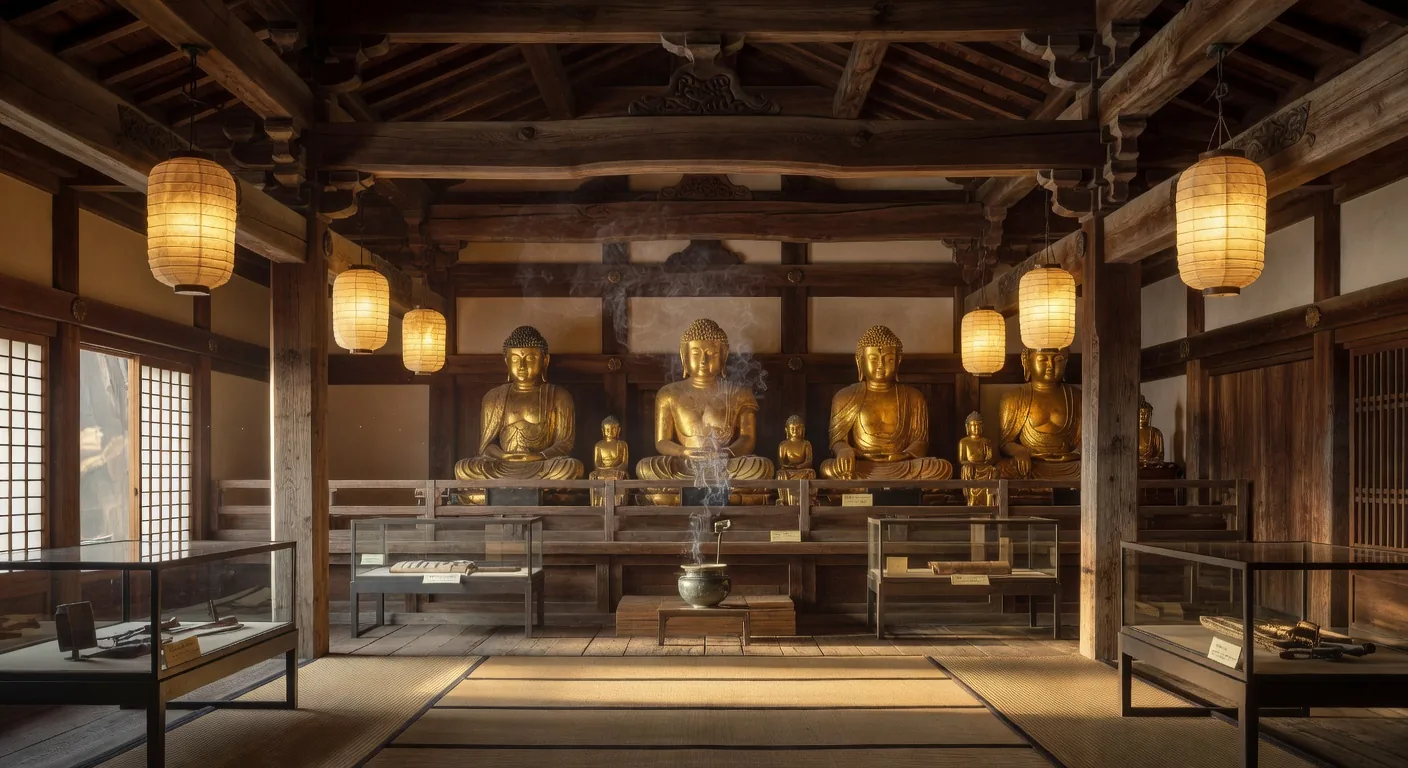
Kyoto's cultural calendar is shaped by its extraordinary seasons
Cherry blossoms frame museum gardens. Many temples open hidden treasures for kanko. Busiest season — book well ahead.
Crowds thin out despite heat. Museums offer air-conditioned refuge. The Gion Matsuri festival in July is unmissable.
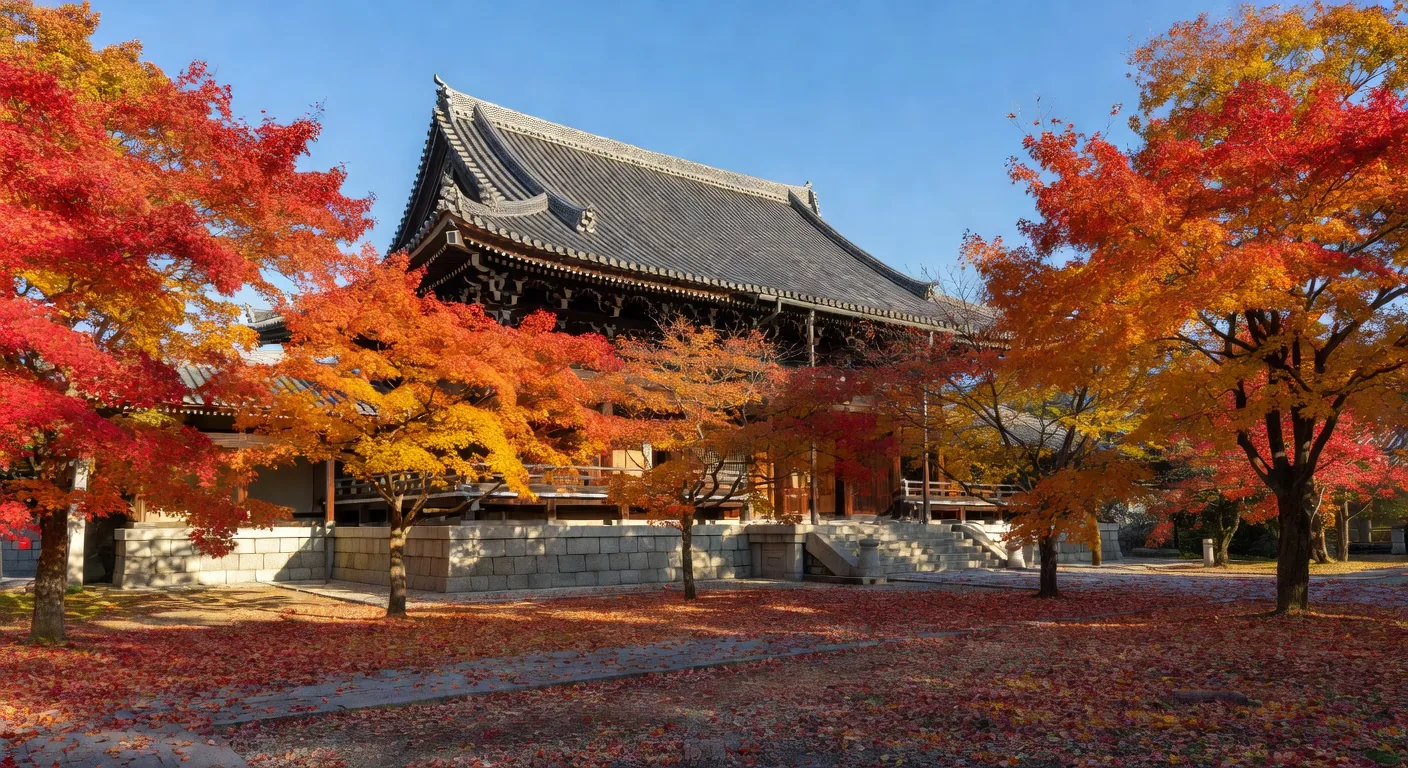
Arguably Kyoto's most beautiful season. Red maple leaves frame temple gardens. Autumn special openings at many institutions.
Serene and less crowded. Snow on temple roofs is magical. Perfect conditions for thoughtful museum visits without queues.