Home / Cities / Other Cities
Museums Across Japan
Discover extraordinary cultural institutions beyond the three great cities
Discover extraordinary cultural institutions beyond the three great cities
Kanazawa escaped wartime bombing and retains one of Japan's best-preserved Edo-period townscapes. Its thriving crafts tradition — gold leaf, Kutani ceramics, Kaga silk dyeing — is complemented by the world-famous 21st Century Museum of Contemporary Art, making it an unmissable cultural destination.
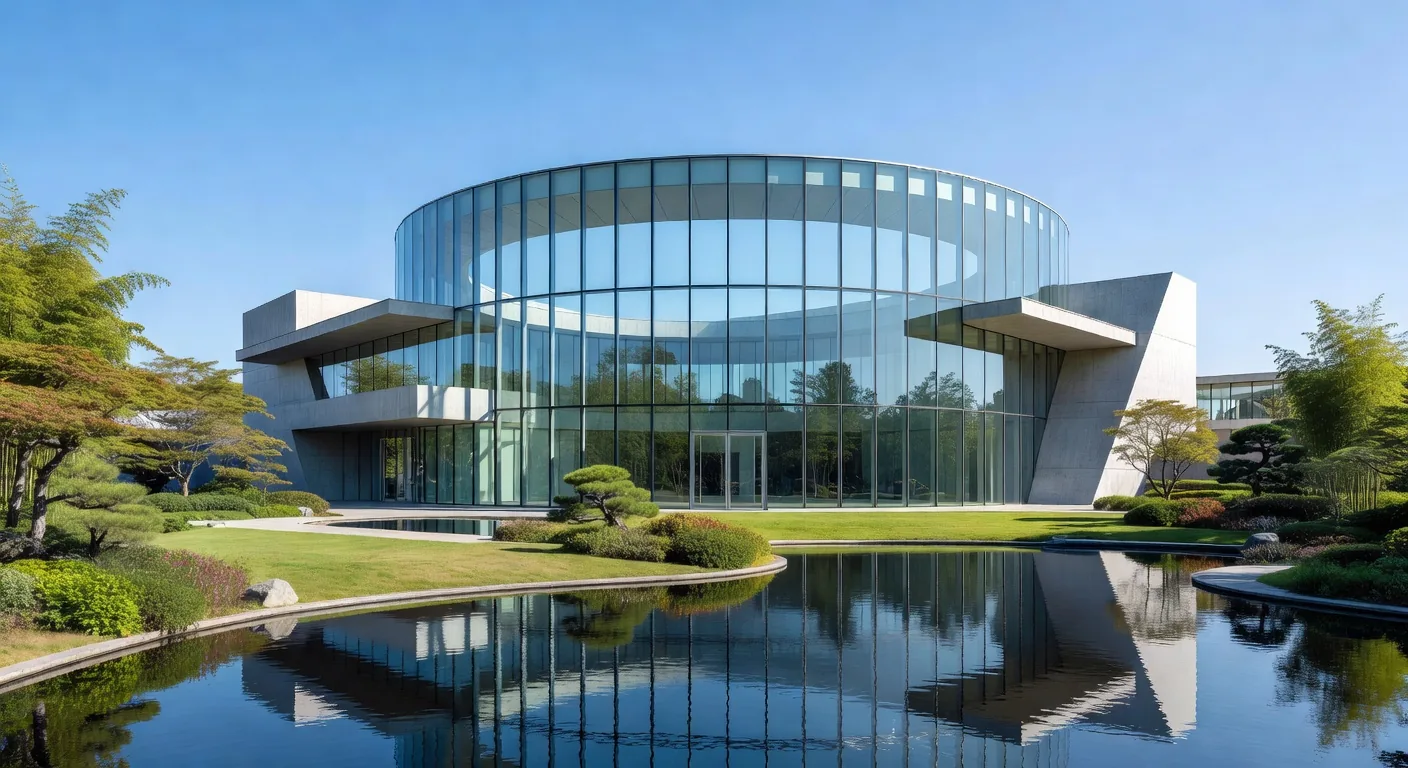
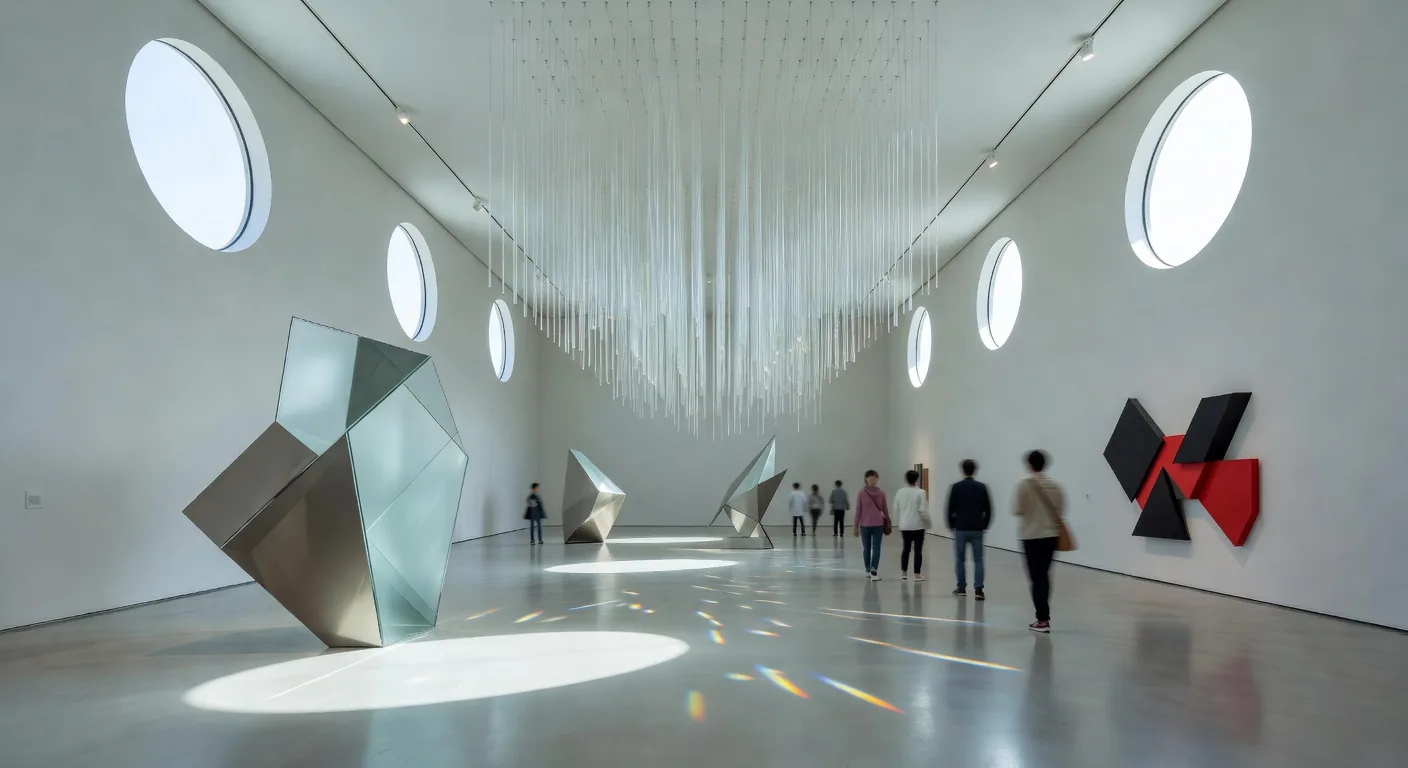
SANAA's iconic circular building sits at the heart of Kanazawa, blurring the boundaries between art and public space. Leandro Erlich's famous "Swimming Pool" installation — in which visitors walk beneath a filled pool — remains one of the most photographed works of art in Japan.
Free access to the public zone; ticket required for special exhibitions. Tue–Sun 10:00–18:00, Fri–Sat until 20:00.
SANAA-designed landmark with world-famous Swimming Pool installation.
Kutani ceramics, Kaga silk dyeing and historical Japanese painting.
The story of Kanazawa's powerful Maeda clan and Kaga culture.
Gold leaf, lacquerware and ceramics — Kanazawa's great craft traditions.
Japan's first permanent capital is home to some of the country's oldest and most revered cultural institutions. Nara's great Buddhist temples — Todai-ji, Horyu-ji and Kasuga Grand Shrine — are not merely religious sites but living archives of a thousand years of Japanese art and craft.
Japan's finest Buddhist art collection, with extraordinary bronze, lacquer and silk treasures.
Modern and contemporary Japanese art with a strong regional focus.
Sculptures and temple treasures from one of Japan's greatest Buddhist complexes.
Excavations from the Kashihara site — the mythical birthplace of the Japanese nation.
Hiroshima carries the weight of profound history alongside a vibrant, forward-looking cultural scene. The Peace Memorial Park and its museum are among the most moving cultural experiences in the world. But Hiroshima also offers excellent art museums and the extraordinary island of Miyajima just a short ferry ride away.
A powerful, unforgettable testimony to the victims of the atomic bombing and humanity's call for peace.
Set on a hilltop in Hijiyama Park, with a strong collection of post-war Japanese and international art.
Tracing the long history of Hiroshima from prehistoric times through the castle era to reconstruction.
Treasures of the iconic floating torii shrine, including Heian-period painted sutras.
Japan's fourth largest city punches above its weight culturally, with high-quality ceramics, a magnificent castle, Japan's greatest science and industry museum and an outstanding prefectural art museum. Nagoya also sits at the heart of the Tokai ceramics region, home to Seto, Tokoname and Mino ware.
The fascinating story of Toyota's rise from textile looms to global automotive giant.
An excellent collection of modern and contemporary Japanese art in Nagoya's cultural heart.
The remarkable story of Japanese tile and ceramics across five themed pavilions in Tokoname.
Inside the rebuilt castle, exploring the Owari Tokugawa clan's extraordinary legacy.
Rich collection of Asian antiques and modern Japanese art in Ohori Park.
The only museum in the world dedicated entirely to contemporary Asian art.
Home to Japan's famous golden seal, a National Treasure gifted by Emperor Guangwu of Han.
A strong collection of Hokkaido artists alongside glass art and European prints.
Japan's first national museum dedicated to the Ainu people and their rich culture.
The complete story of Hokkaido — from the Jomon period to modern settlement.