The Tokyo National Museum is Japan's oldest, largest and most visited museum. Founded in 1872 during the Meiji period, it stands at the northern end of Ueno Park as the cultural heartland of the Japanese nation. Its collection of over 110,000 objects — including 89 National Treasures and 648 Important Cultural Properties — spans 10,000 years of Japanese and Asian art and history.
The museum's grounds contain five main exhibition buildings and a garden with several traditional tea ceremony houses. Each building presents a different facet of Japan's extraordinary cultural heritage, from prehistoric Jomon pottery to the refined arts of the Edo period.
Japanese Gallery — 24 rooms of Japanese art history
Asian Gallery — art from China, Korea and beyond
Japanese Archaeology — prehistoric to medieval
Buddhist art from Horyuji Temple, Nara
Western-style paintings by Seiki Kuroda
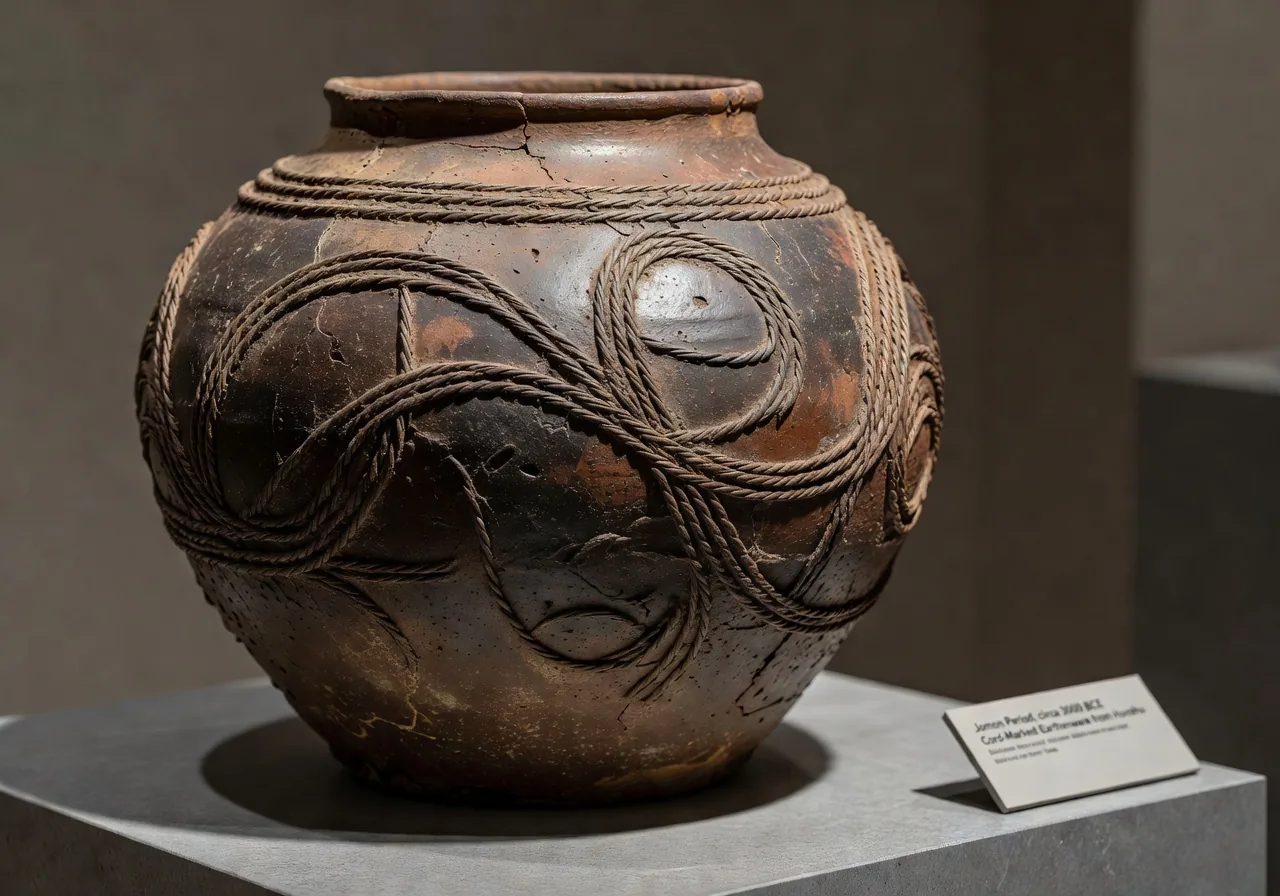
Jomon Period: The museum holds Japan's finest collection of Jomon pottery, including the flame-patterned vessels and dogu clay figurines that represent the world's earliest ceramic tradition — beginning some 16,000 years ago.
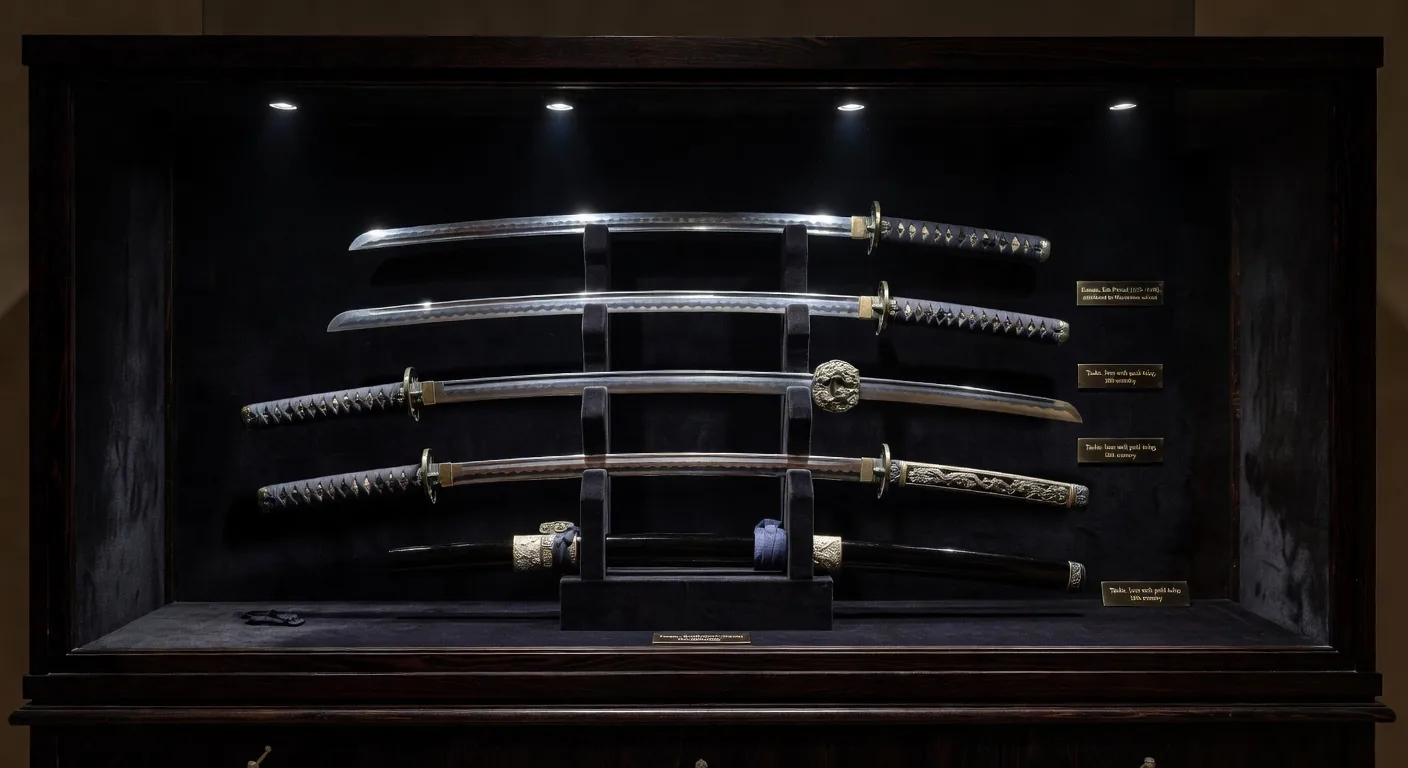
Samurai Culture: An extraordinary array of armor, swords, lacquerwork and metalwork spanning the Kamakura to Edo periods. The suit of armor presented to the museum by Tokugawa Ieyasu's descendants is among the most treasured objects in Japan.
Buddhist Art: The Horyuji Homotsukan gallery houses 300 objects from Horyuji Temple — the world's oldest surviving wooden building — including gilt bronze figures of extraordinary refinement dating from the 6th and 7th centuries.
Ukiyo-e: The museum's collection of woodblock prints and paintings includes masterworks by Hokusai, Hiroshige and Utamaro, displayed in rotating exhibitions throughout the year to protect these light-sensitive works.
Tuesday and Wednesday mornings are quietest. Friday evenings (until 20:00) offer a uniquely atmospheric experience with fewer crowds.
Download the official TNM app for audio guides in English, a collection search function, and real-time gallery crowding information.
The main building hosts 3–4 major special exhibitions per year requiring separate tickets. Book online to avoid queues, especially during Golden Week.